cigarettes uk buy
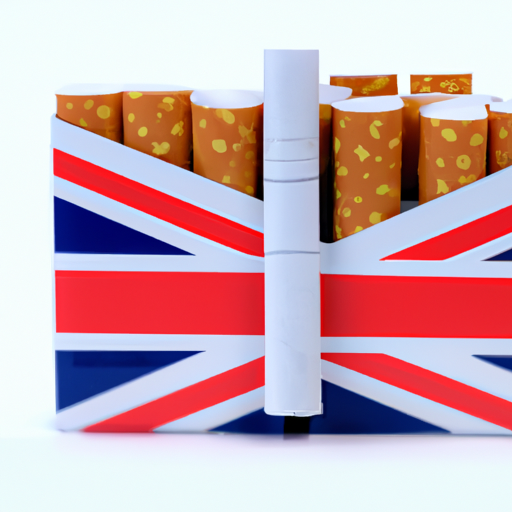
As a resident of the United Kingdom, one of the most common sights you will encounter on a daily basis is that of people lighting up cigarettes. Despite the well-known health risks and the increasing taxes, cigarettes remain a prevalent and popular part of British culture. In this article, I will delve into the history, impact, and current state of cigarettes in the UK.
Firstly, it is important to understand the history of cigarettes in the UK. It is believed that tobacco was first introduced to Britain in the 16th century by explorers and sailors returning from the New World. However, it was not until the 19th century that mass production and widespread consumption of cigarettes began. At that time, cigarettes were largely seen as a luxury item and were heavily taxed. This changed in the 20th century with the introduction of machine-rolled cigarettes which made them more affordable for the general population.
Fast forward to modern times, and cigarettes are a ubiquitous part of British society. Despite efforts to increase awareness of the health risks associated with smoking, the fact remains that 14.4% of adults in the UK smoke. This may seem like a small percentage, but in reality, it translates to over 7 million people. It is estimated that smoking-related illnesses cost the National Health Service (NHS) around £6 billion each year.
One of the most obvious impacts of cigarettes in the UK is on public health. Smoking is the leading cause of preventable death in the country, with over 78,000 deaths each year. In addition to the well-known risks of lung cancer and emphysema, cigarettes also increase the risk of heart disease, stroke, and a variety of other health problems. Non-smokers are also affected by secondhand smoke, which can lead to respiratory illnesses and other health issues.
Aside from the health consequences, cigarettes also have a significant impact on the environment. Cigarette butts are the most commonly littered item in the UK, with an estimated 4.5 trillion discarded each year. These filters can take up to 15 years to decompose and can leach harmful chemicals into the soil and water. Cigarette smoke also contributes to air pollution, which can have a detrimental effect on both human and animal health.
Furthermore, smoking has a significant economic impact in the UK. As mentioned earlier, smoking-related illnesses cost the NHS billions of pounds each year. In addition, the government collects around £10 billion in taxes from the sale of cigarettes. This may seem like a large sum, but it pales in comparison to the cost of treating smoking-related illnesses. This is a delicate balance that the government must navigate, as increasing taxes too much could lead to an increase in illegal smuggling of cigarettes.
Another aspect of cigarettes in the UK is the social and cultural implications. Despite the increasing restrictions and stigma surrounding smoking, it is still seen by many as a social activity. Bars, restaurants, and pubs used to be filled with the haze of cigarette smoke, but with the implementation of the smoking ban in 2007, this has changed. While there are designated outdoor smoking areas, it has become less socially acceptable to light up in public. However, smoking still remains a part of many social interactions, with individuals bonding over shared cigarette breaks.
In recent years, there have been several initiatives aimed at reducing the prevalence of smoking in the UK. One of the most impactful measures was the plain packaging legislation implemented in 2016. All cigarettes now come in standardized, unattractive packaging with graphic health warnings. This is meant to discourage people, especially young people, from starting to smoke. In addition, there are ongoing campaigns to increase awareness about the dangers of smoking and to provide support for those looking to quit.
Despite these efforts, cigarettes continue to be a multi-billion pound industry in the UK. The main players in the market are the “big four” tobacco companies – British American Tobacco, Imperial Tobacco, Japan Tobacco International, and Philip Morris International. These companies invest millions of pounds in marketing and advertising, often targeting vulnerable populations such as young people and those from disadvantaged backgrounds.
In conclusion, while cigarettes have a long and complicated history in the UK, their impact on public health, the environment, and the economy cannot be ignored. Efforts to reduce smoking rates have had some success, but it will take a combination of education, policy changes, and societal shifts to truly tackle this pervasive issue. As individuals, we can do our part by being mindful of the consequences of smoking and supporting loved ones in their efforts to quit. As a society, we must continue to push for change and work towards a future where cigarettes are no longer a prevalent part of our daily lives.